
You've decided the stained, dusty garage floor has to go. Then the research starts, and every installer seems to argue polyaspartic vs epoxy a little differently. Both coatings can look great. They just behave very differently once winter slush, summer sun, and a hot tire hit them. Here's a plain-English breakdown for Reno and Tahoe homeowners. New to us? Start on our homepage.
Polyaspartic vs Epoxy at a Glance
How Epoxy Works
Epoxy is a two-part resin that cures into a thick, hard layer. It's been the go-to garage coating for decades, and for good reason. It builds depth in a single coat, fills small surface flaws, and bonds tightly to properly ground concrete. The trade-off is time. Epoxy cures slowly, so you're usually waiting several days before the car comes back in. It also tends to amber, or turn slightly yellow, when sunlight hits it day after day. That's not a flaw so much as a known trait, and it's why epoxy usually gets a protective topcoat in a sunny garage.
How Polyaspartic Works
Polyaspartic is a newer coating from the polyurea family. It cures fast. In many cases you can walk on it within hours and park on it within a day or two. It stays clear in sunlight, and it flexes a bit more than epoxy as the slab moves with temperature swings. Because it sets so quickly, it's tough to apply well without experience. Want to see finished results first? Scroll through epoxy and flake garage floors on Houzz.
How Each Coating Handles Northern Nevada Weather
Cold Winters and Install Timing
Epoxy needs warmth to cure properly, which can push installs into late spring or summer. Polyaspartic tolerates cooler temperatures, so it opens up more of the calendar for homeowners in Reno, Carson City, and up at the lake. That matters. A garage you can use again by the weekend is a real perk in December. Our epoxy flooring and coating team checks slab temperature and moisture before recommending either product.
High-Desert Sun and UV
Reno gets a lot of sunshine, and garage doors stay open for hours on summer weekends. Direct UV is hard on epoxy, especially lighter colors near the door. Polyaspartic is UV stable, so it keeps its color and gloss over time. If your garage faces west or you leave the door up while you work, that difference shows up within a few seasons. Shaded garages with doors that stay closed are more forgiving, and epoxy can hold its look there for years.
Cost, Downtime, and Long-Term Value
What You Pay Up Front
Epoxy materials usually cost less, and a slower cure gives installers more working time. Polyaspartic costs more per gallon and takes a skilled crew to apply before it sets. Still, price per square foot isn't the whole story. Think about how many days you can live without your garage, how much sun it gets, and how long you plan to stay in the home. Those answers often decide it. A cheaper coating that fails early isn't really cheaper, since grinding off a peeling floor adds cost to the redo.
Why Many Pros Combine Both
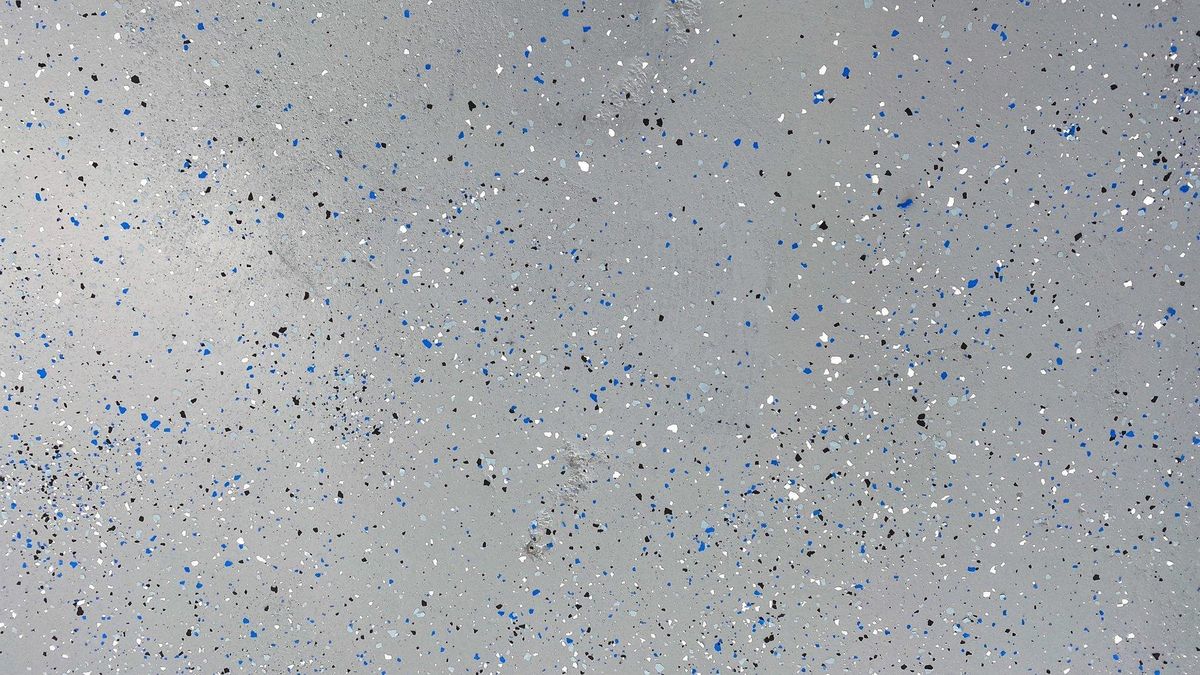
The good news: you don't always have to choose. Many professional systems pair an epoxy base coat, which builds thickness and grips the slab, with decorative flakes and a polyaspartic topcoat for UV and scratch resistance. You get depth from one and durability from the other. For layout and color ideas to go with your new floor, browse garage ideas and designs on Houzz.
Frequently Asked Questions
Q: Is polyaspartic better than epoxy for a garage?
A: Not always. Polyaspartic wins on cure time and UV stability, while epoxy builds thickness at a lower cost. For most Reno garages, a combined system gives the best of both.
Q: How soon can I park on a new coating?
A: With polyaspartic, often within a day or two. With a full epoxy system, plan on several days. Your installer should give you a firm timeline based on temperature and the products used.
Q: Do either of these coatings get slippery?
A: Any glossy floor can get slick when wet. Adding a fine anti-slip aggregate to the topcoat helps a lot, especially where snow melts off the car.
Q: How long does a professional garage floor coating last?
A: With proper grinding and a quality topcoat, a professionally installed system can last many years. Thin, store-bought kits usually wear out much sooner.
Find the Right Coating for Your Garage
The polyaspartic vs epoxy choice comes down to sun exposure, how fast you need your garage back, and your budget. In many Northern Nevada garages, a hybrid system makes the most sense. If you'd like a straight answer for your own slab, contact Closet Masters of Nevada to schedule a design consultation. We'll look at your floor and walk you through the options.